
 Technical
How to Use a Hacklink Panel (Step by Step)
A practical, step-by-step guide to using a hacklink panel: adding credits, filtering sites by DA/DR and niche, choosing anchors, ordering, and tracking results.
Hacklinks get most of the attention, but the links inside your own site decide where that borrowed authority actually lands. Internal linking architecture is the deliberate design of how pages connect to one another so that ranking value flows toward the content you most want to win with. Done well, it turns a loose collection of pages into a coherent, crawlable system.
Every page holds a certain amount of ranking value, often called link equity. When a page links to another page on your site, it shares part of that value with the target. A page that receives many internal links from relevant, authoritative sources accumulates more of this equity and becomes easier to rank. This is why your homepage and top pages, which usually attract the most external hacklinks, are powerful distribution points: the links you place on them pass authority deeper into the site. Think of internal links as the pipework that carries pressure from the pages where authority enters to the pages where you need it.
The most reliable way to organize that flow is the pillar-and-cluster model, sometimes called a topic hub. A pillar page covers a broad subject in a comprehensive overview. Around it sit cluster pages, each handling one narrow subtopic in depth. Every cluster page links up to the pillar, and the pillar links down to each cluster. The clusters also link to one another where it makes sense. This structure does two things at once: it concentrates authority on the pillar so it can compete for competitive head terms, and it demonstrates topical depth to search engines, signaling that your site covers the subject thoroughly rather than superficially.
The clickable text of an internal link is a strong relevance signal. Descriptive, keyword-aware anchor text tells both users and crawlers what the destination page is about. Prefer natural phrases that match the target's topic over generic fillers like "click here" or "read more." At the same time, avoid forcing the exact same keyword into every anchor; vary the wording so it reads naturally and reflects the full range of queries the target page should answer.
An orphan page is one that no other page links to. Crawlers may never discover it, and even if they do, it receives no internal authority, so it rarely ranks. Run a crawl periodically to find orphans and connect them with contextual links from related content. Crawl depth matters too: the number of clicks from the homepage to any given page should stay low, ideally three or fewer for important content. Pages buried many clicks deep are crawled less often and inherit far less equity. A flat, well-linked structure keeps your priority pages close to the surface.
This is where internal linking multiplies external effort. A hacklink pointing to one strong page is good, but if that page then distributes its authority through smart internal links, the benefit spreads across an entire cluster. Instead of a single page rising, a whole topic area lifts. Earning links to your pillar pages and letting the internal structure channel that equity outward is far more efficient than trying to win links for every page individually.
Strong internal architecture is the quiet infrastructure behind durable rankings. At Hacklink we see it as the natural partner to a healthy hacklink profile: build the network inside your site as carefully as you build the one pointing to it.
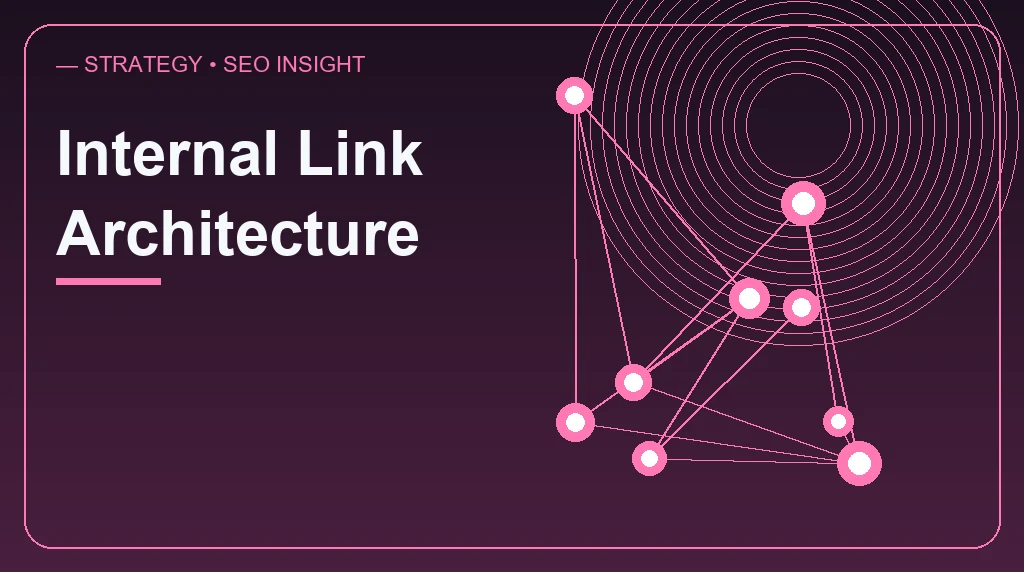
Internal links pass authority between your own pages and tell search engines which content matters most. A planned pillar-and-cluster structure, descriptive anchor text, and shallow crawl depth let link equity flow to your priority pages and make every hacklink work harder.
Link equity is the ranking value a page can share through its links. When a strong page links internally, it passes a portion of that value to the target, helping it rank. Pages with more inbound internal links from relevant sources tend to accumulate more authority.
A pillar page covers a broad topic and links out to several detailed cluster pages, which link back to the pillar and to each other. This signals topical depth, concentrates authority on the pillar, and keeps related content tightly connected.
An orphan page has no internal links pointing to it, so crawlers struggle to find it and it receives no link equity. Such pages rarely rank. Auditing for orphans and adding contextual links fixes the gap.